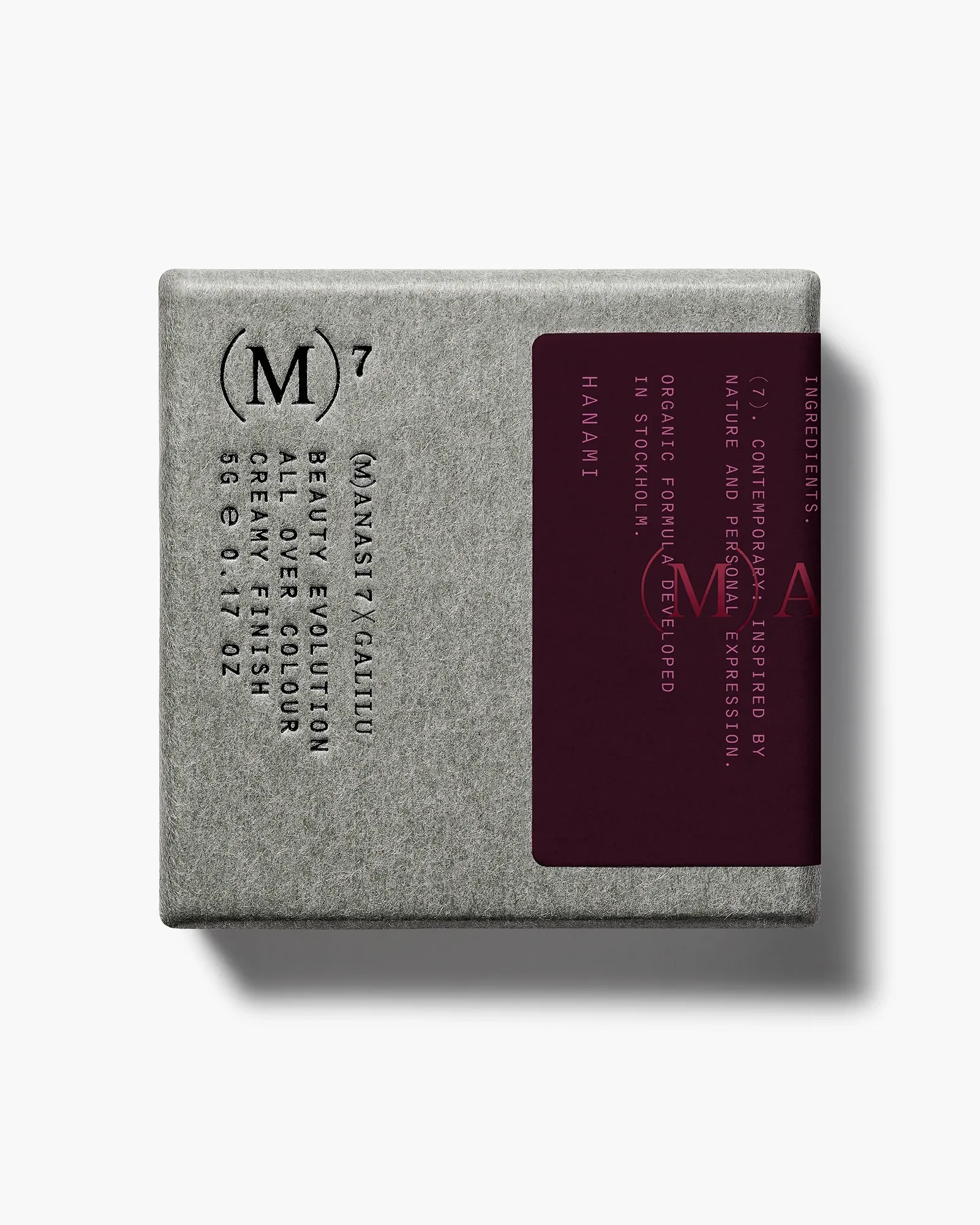
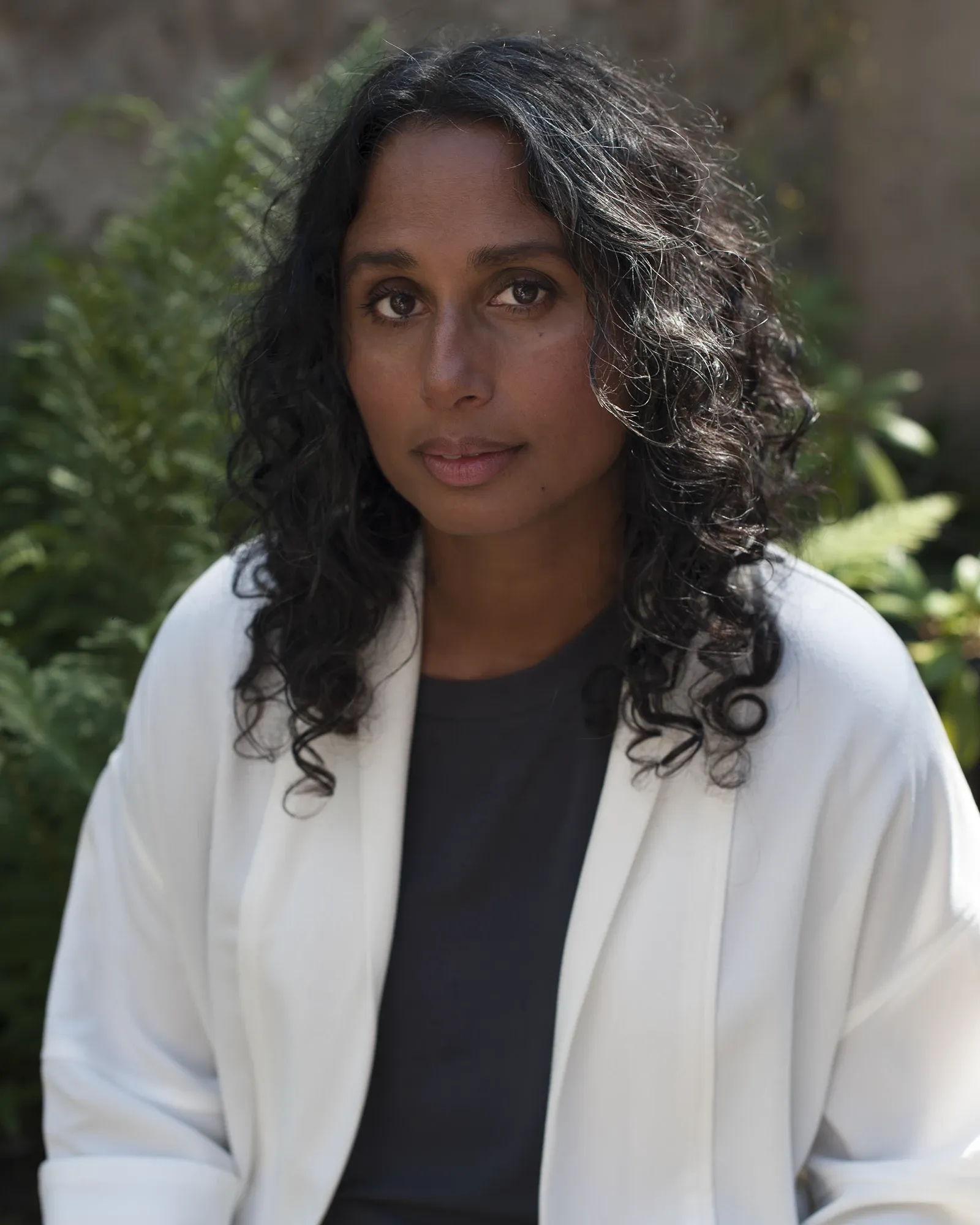
Officially the Manasi 7 brand appeared on the market in 2018. You proposed a completely different approach to makeup than the entire industry at that time. Was that an act of rebellion or a natural consequence of your lifestyle?
I think both. For many years I worked as a makeup artist on music videos, commercials and shoots. In 2010 I came across a book about food production and the backstage of the food industry that prompted me to deeply reflect on my lifestyle. I began to pay closer attention to what I eat and consciously read product ingredient lists. Step by step I changed my habits. And soon after the question arose: what does this look like in the beauty industry? What actually hides in color cosmetics? What am I putting on my skin and on my clients' skin every day?
And what did you discover?
I realized that a huge portion of ingredients brings no benefit to the skin, and most products are eighty percent water – and we pay really substantial money for that. Then I thought: I want to create something completely different. I started to delve into chemistry, the action of individual ingredients, their functions. I felt that I wanted to introduce a new quality to color cosmetics. Especially after years of working as a makeup artist I felt it was time for a new challenge in my professional life.
Your cosmetics take care of the skin microbiome. People talk about it more and more in the context of skincare, but practically not at all when it comes to makeup.
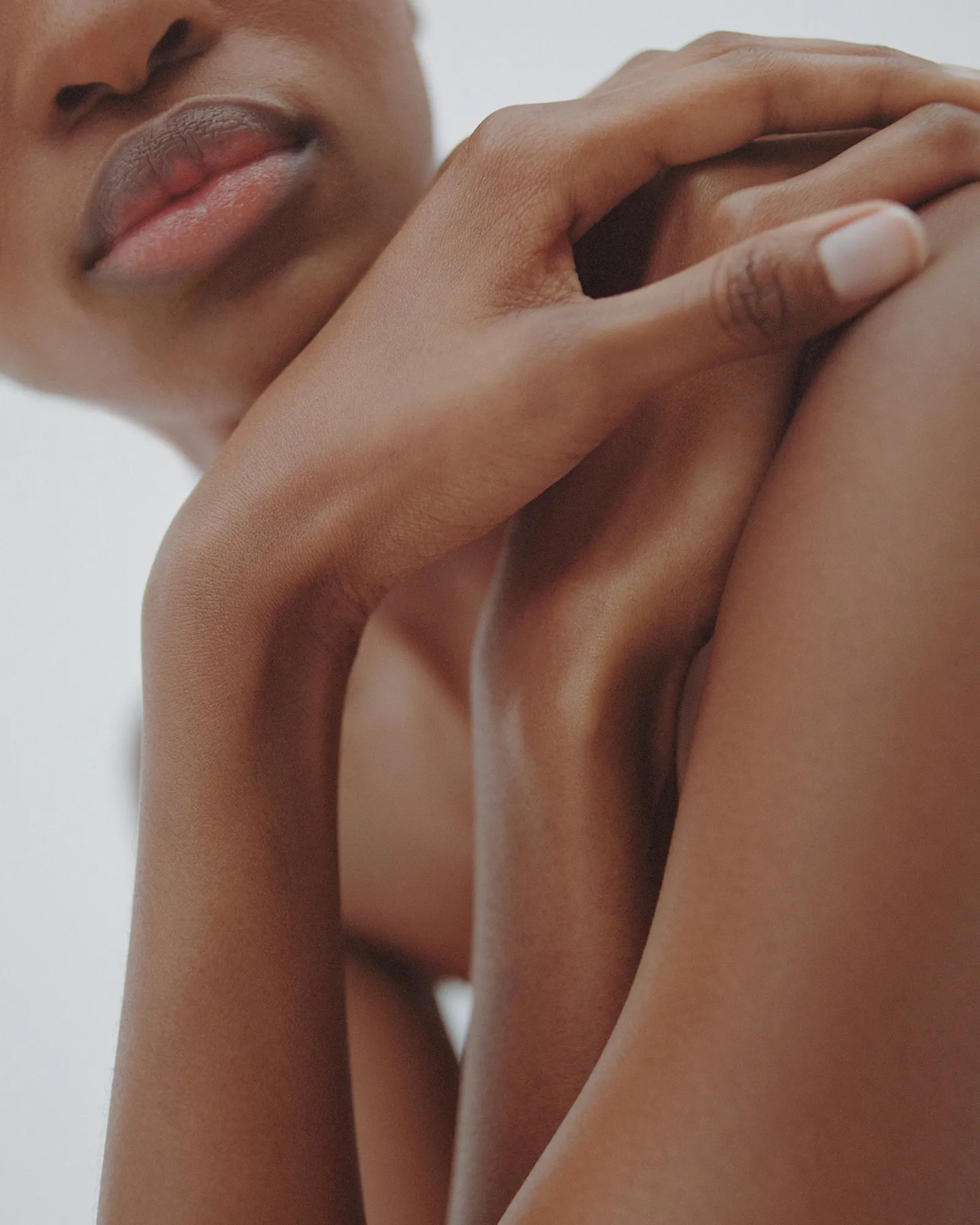
I consider the topic of the microbiome to be key. We have a gut microbiome and we also have a skin microbiome – both are equally important. Intensive peels or strong chemical substances destroy the skin’s natural protective barrier. And when we damage it, we later have to take care of its rebuilding with additional products. That is why I am not convinced by the multi-step skincare trend – often it results from the fact that we ourselves weakened our skin earlier. I wanted to create makeup that not only provides color and improves appearance, but above all provides the skin with protection and regeneration. Therefore we combined pigments with skincare ingredients in our products. I believe that this approach is particularly needed today, because our skin is exposed to many negative factors: polluted air, unhealthy diet, poor water quality. That's why it’s so important that makeup also supports the skin, not just covers it.
Sounds like makeup in the slow beauty style.
Exactly. I believe less is more. A few truly high-quality products are enough. Our skin does not need ten or fifteen products every day. It needs more “care” – both from the inside and the outside. If we had lived in the Stone Age, we probably wouldn't need any cosmetics to keep skin healthy. But today we live in an overcrowded world, spend hours in front of computers and are exposed to pollution – so if we wear makeup, let it also take care of the skin.
What do your daily skincare steps look like?
They are really very simple. In the morning I apply a serum, then an oil on my face and I never wash the skin – at night it creates its own protective layer, so I see no reason to wash it off. In the evening I always cleanse my face, because after the whole day it needs a deep breath from pollutants, product residues and makeup. I use our gentle cleansing balm without SLS, then I apply serum and cream – I choose them according to the current needs of the skin. I also oil-pull with coconut oil. And that’s basically it – no complicated steps.
You created a makeup brand different from all others – without a red lipstick or classic mascara. How did people initially react to your products?
Many people were surprised that one product is enough, which you can apply with your finger to the cheeks or lips – quickly and intuitively. Sometimes someone would ask, “Do I really have to put my finger inside?” And I replied: try it, because it’s much easier that way. And usually the reaction was the same: “Wow, how quick that is!” You don’t need to carry three different products – one little jar is enough. And that’s something people really appreciate. I made them in this form because they are based on plant oils and waxes – the warmth of the fingertips softens the product and makes it effortless to apply.
Which ingredients were key for you?
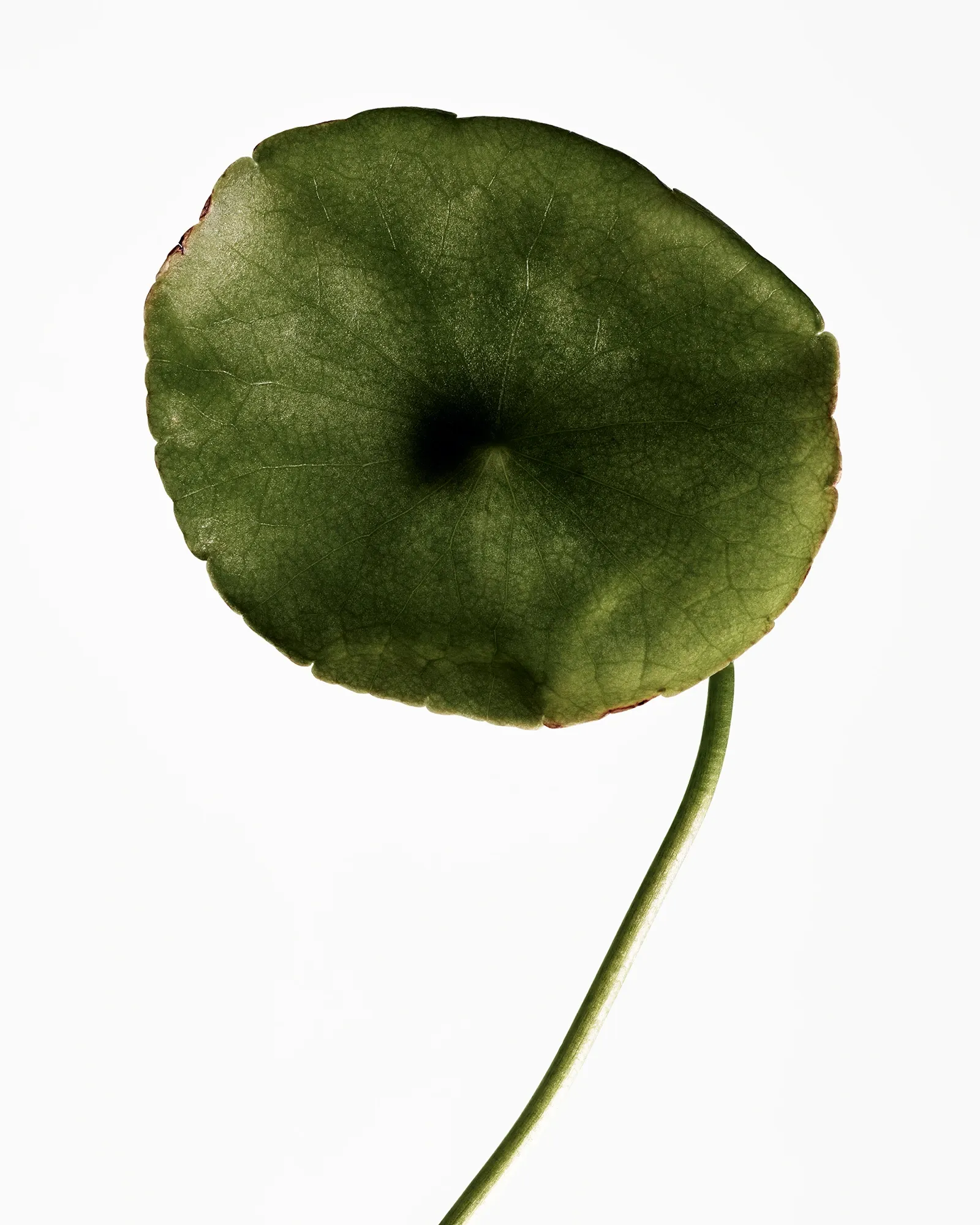
The list was really long. Most of all, however, I wanted to have the highest possible percentage of organic ingredients. Of course you can't have a 100% organic composition in makeup, not least because pigments themselves are minerals – they can be sourced naturally, but they cannot be “cultivated”, so by definition they do not meet organic criteria. Therefore I reached for plant oils, butters – like shea butter – and beeswax, which has great emollient properties and is also an organic ingredient. Some people ask me why I use beeswax and not exclusively vegan ingredients. For me the key is choosing the best ingredients for a specific purpose. I believe beeswax works wonderfully in creamy formulas – vegan options often don't deliver the same performance.
And what did you absolutely want to avoid?
Primarily mineral oils, which give the skin no benefit. Regarding pigments, I had to make a certain compromise. Not all intense shades can be achieved using only natural pigments. Natural reds or violets tend to have a more brownish tone, so to obtain a truly strong color you need to use synthetic pigments. For me that is the only – and necessary – exception to the rule of naturalness. Because if a customer is looking for an intense red lipstick and receives a muted one, that’s not what she expects.
Your three favorite products from your own brand are…
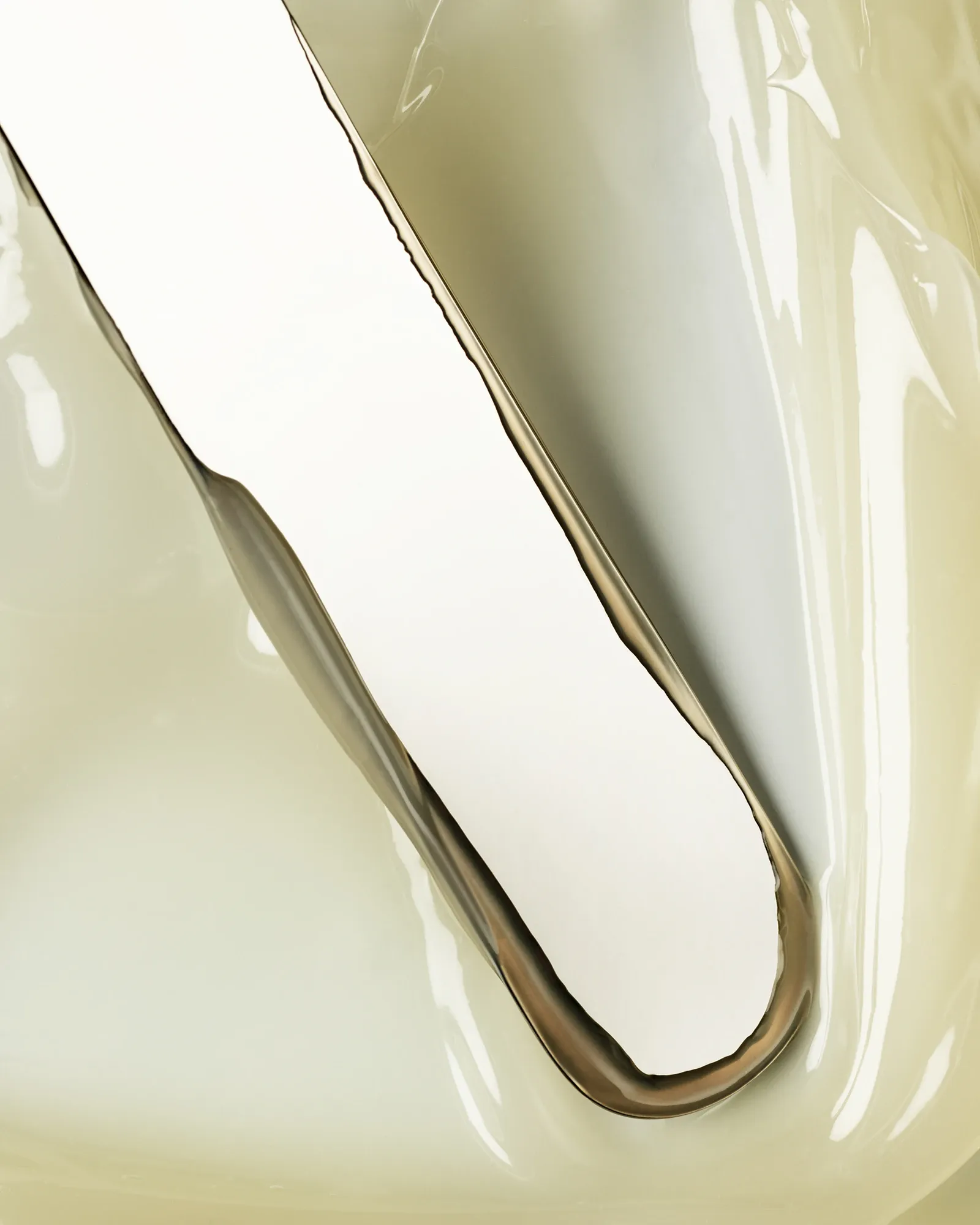
Definitely Botanical Serum Chanua, which was born out of my personal need. When I was pregnant, sun discolorations appeared on my skin, especially on my forehead. I couldn’t get rid of them for a long time, despite trying many products. It was then that I began working on my own probiotic formula – gentle enough to be used even under the eyes, while still based on organic ingredients.
Did it prove effective on discoloration?
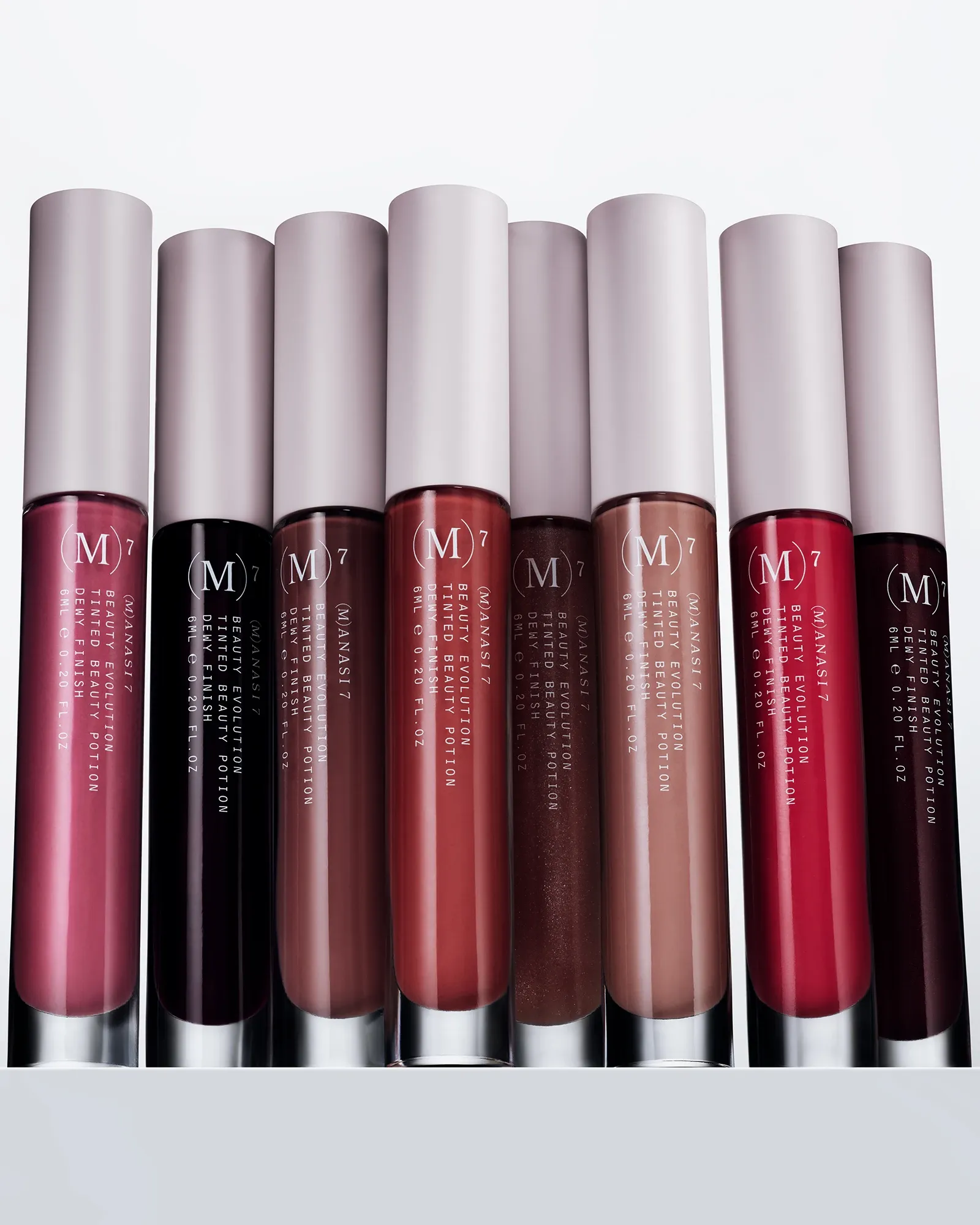
Yes. After four weeks I already saw improvement, and after three months they were practically no longer noticeable. This serum really evens out the skin tone beautifully. It is definitely my number one product – something I personally needed and wanted to create. The second is Bronzelighter – a combination of bronzer and highlighter – the product that essentially started it all. It’s a creamy product that can be used literally everywhere: on cheeks, lips, eyelids, décolletage, even legs. It’s my absolute must-have. The third is Tinted Beauty Potion – a lipstick and eyeshadow in one with a luminous finish, packaged in a glass bottle reminiscent of mascara packaging. It’s more transparent than Bronzelighter and works great on eyelids, but can also be used on lips or cheeks. It doesn't feel sticky, even though it's oil-based – it works like a gloss, gives color like a tint, and at the same time nourishes the skin.
Do you have a favorite color?
Yes, Cassis – a shade reminiscent of plum. In the bottle it looks very dark, but on the skin it gives a subtle, semi-transparent effect.
What made you want to become a makeup artist?
My mother was always interested in fashion. She sewed, knitted clothes and wore red lipstick. I remember, as a little girl, walking into the bathroom while she was putting on lipstick. I thought, “Wow, my mother's face looks completely different, so beautiful.” That sparked something in me – I didn't yet know I wanted to become a makeup artist, but I was fascinated by how colors can change appearance and express emotions. And finally one day I announced to my parents that I wanted to do makeup. And they replied: “What? Is that even a profession?”.
How has your definition of beauty changed over the years? What did that transformation look like – from a makeup artist using traditional cosmetics to the creator of your own brand?
When I started working as a makeup artist, I actually knew very little about the industry. Only later, when I became a consultant, did I see from the inside the problems related to overproduction and waste. I remember a situation at the company I worked for – we were working on new lipstick packaging but couldn’t agree with the manufacturer on who would cover the storage costs. The result? Two hundred thousand brand-new packages ended up in the trash. That experience opened my eyes. I understood how the industry really works and decided I didn't want to be part of such a process. I decided to do the opposite – makeup made on a smaller scale, based on the most natural ingredients possible and genuinely beneficial for the skin. That is why in my brand there is no room for overproduction or for situations where we are left with product to throw away. For me waste is the biggest problem – similar to the fashion industry. I want to create things that a customer will buy, use up completely and only then reach for another. I believe that is a much more responsible approach.
Is the biggest challenge in creating a responsible brand the formulas or rather the packaging?
Formulations are becoming increasingly flexible and natural, but packaging is still a very difficult topic. We mainly use glass, plant-based packaging and only in a few cases plastic. We try to avoid virgin plastic as much as possible, but it remains difficult. For example, our loose powders are in plastic containers because there aren't yet better, fully functional solutions on the market. I recently spoke with a manufacturer about using post-consumer recycled plastic, but there are obstacles there too. If you want a package in a non-standard color, you can't use 100% recycled plastic – you have to add a bit of virgin material, and that creates a blend that can't be recycled again. Paradoxically, sometimes the “lesser evil” turns out to be plastic, because it can simply be recycled. We also don't produce samples. I know some customers may be disappointed, but packages below a certain size are not recyclable anyway. The system simply doesn't accept them – even if you put them in the right bin, they end up in waste. And for me that would just mean additional mountains of rubbish.
In the brand's declaration you indicate seven main values: slow, select, pure, natural, simple, symbiotic, contemporary. How do they translate into daily work, for example when choosing suppliers?
Yes, these are my brand's values, which everyone who works with us must meet. If someone calls me with an offer, I always ask directly: “Do you work in an organic mode?”. If the answer is “no”, we don't continue the conversation. When creating Tinted Beauty Potion I wanted fermented vanilla – very subtle, not overtly fragrant. I wrote to ten suppliers, tested twenty types, until I found the best one. It takes time and patience, but it gives immense satisfaction. For small brands a huge challenge is also MOQ, the minimum order quantity. If you need ten kilos of a raw material and the supplier sells a minimum of twenty-five, the rest goes to waste. That is why I searched for smaller suppliers who allow ordering smaller batches and avoiding waste. Now we already have a network of such contacts and thanks to that we can, for example, use coffee seed oil obtained from recycling, but believe me, the beginnings were very difficult.
In your private life do you also try to live close to nature?
I live in the city, so I can't do that one hundred percent, but I try as much as I can. We don't have a car – I use the metro and a bike. I shop in small local stores because I want to support them. I also try not to consume too much and to choose organic products, although in fashion this can be difficult – that's why I use second-hand. For my son we bought wooden toys, although of course over time plastic gifts from family also appeared. You can't be one hundred percent consistent. What's important is to make better decisions every day. That's how I live and how I build my brand – in line with my values. I looked for a long time for small farmers running closed-loop farms, because those are the only ones I want to support and work with. I would like for my product in someone’s hands to be the beginning of reflection – not only for themselves but also for the planet. I believe the future lies in greater awareness, slowing down consumption and production.
Do you still follow makeup trends?
Honestly? Not at all. I always go by intuition. I want to create what, in my opinion, makes sense – and makeup that makes sense is makeup that doesn’t cover the face but brings out its natural beauty and, incidentally, cares for it. When I look at what’s happening on the internet, I feel a sense of overload. Lots of layers are promoted: foundations, concealers, more and more products. I don't think that's necessary. Especially with young girls, who often end up looking very similar to each other because of it. For me beauty is rather simplicity and accentuating features instead of hiding them.
And what is beauty to you at all?
Beauty can have many dimensions. Of course it’s also appearance – the ability to bring out facial features – but true beauty comes from within. It’s kindness, respect, love, trust, compassion, joy and the courage to be yourself. It’s being the best version of yourself and treating others the way you would like to be treated.
What beauty advice would you give your younger self?
Don't cover your skin. Emphasize it.





 Oferta
































 Proceed to Checkout