O zapachu
Cultural determinants of smell. The sense of smell in Japan.
From Murakami's sensory-stimulating narration, through "listening" to incense, to carefully chosen everyday scents that form an integral part of identity.
Text: Zuzanna Sokołowska
08 • 05 • 2023
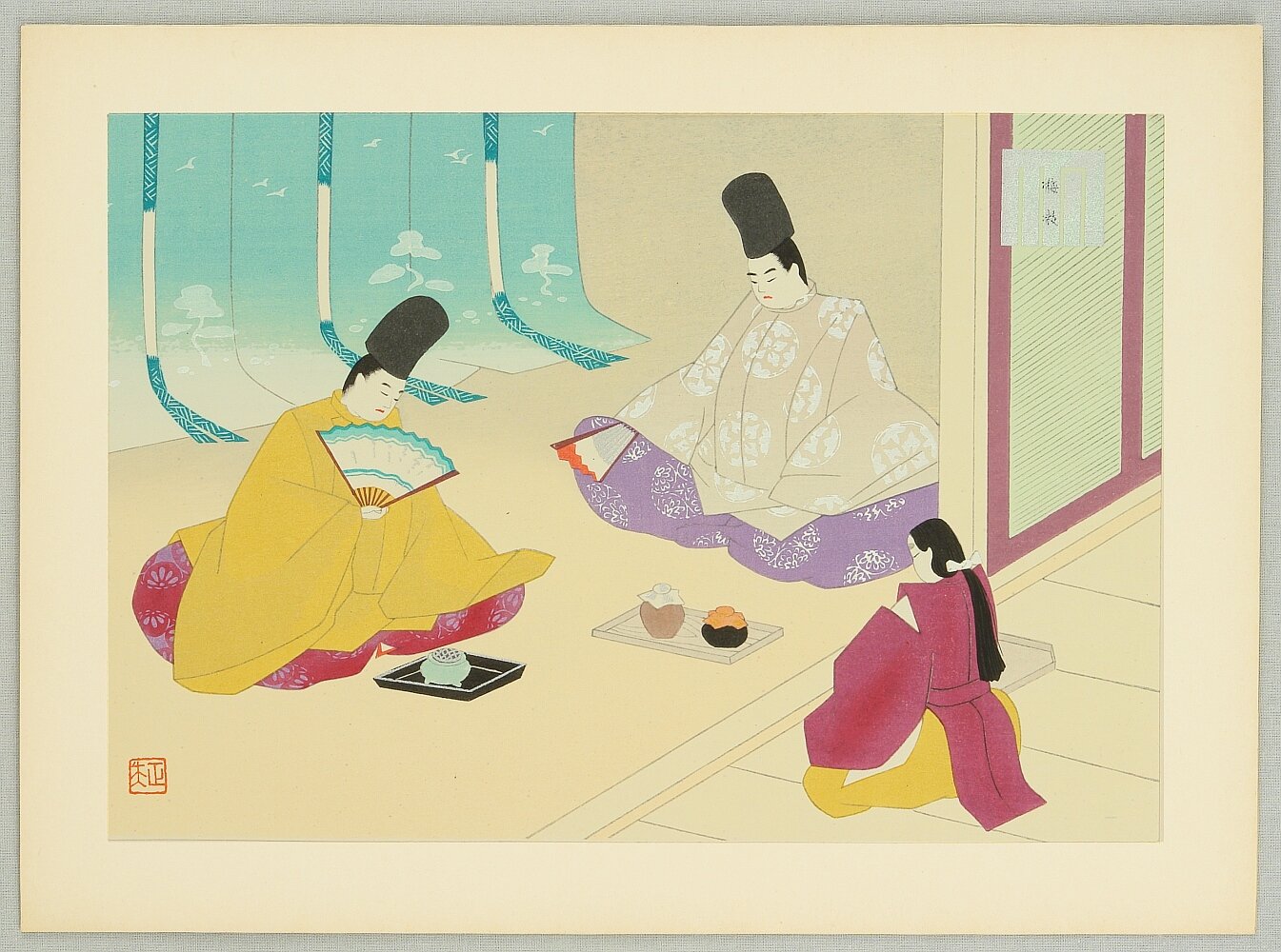
Anyone who has encountered the novels of Japan’s most popular writer Haruki Murakami even once may have noticed that scent played one of the more important narrative functions in his books. Murakami described the sensual, bodily smells of his characters with a particular purpose – they were meant to evoke a strong aesthetic experience in readers. The sense of smell in Japan takes on the character of a significant cognitive sense, which is moreover strongly coupled with auditory impressions. Why? Because olfactory perception in this region of the world is primarily linked to religious rituals in which incense plays the main role. The tradition of burning it goes back more than 1000 years (this ritual is associated with the introduction of Buddhism from China to Japan in the 6th century). Specific accords, usually woody-herbal, play an important role in spiritual practices that are referred to by the term mon-koh (Jap. 聞香), meaning literally "listening to incense." What does this kind of practice involve? It turns out that in the Buddhist world both words and spaces smell like incense. To absorb the Buddha’s teachings, one must above all listen, not only smell. It is precisely in the rising, subtle smoke that the words are hidden, which one assimilates and tries to understand through the breath. But that’s not all. Burning incense emits… sounds, also identified with what the Buddha wants to convey.
The mon-koh rituals remain immensely popular to this day. Participants, in a state of concentration, undergo olfactory experiences, encountering a multidimensional, living essence of the world associated, among other things, with the smells of the forest or the naturally changing—depending on the degree of sunlight—aroma of the air. The scent of incense thus becomes a trigger for layers of memory, elevating one to a higher level of spirituality and imagination.
The Japanese also place particular emphasis on the daily use of perfumes, which they select carefully and deliberately – scent is an integral part of their identity. Interestingly, during the Covid-19 epidemic in Asian countries the most popular product purchased online was not, as might be expected, skincare and makeup cosmetics, but perfumes, which were intended to improve mood as well as to stimulate the sense of smell in case symptoms of infection appeared.
Selective brands enjoy great popularity in Japan, while niche brands are somewhat less so, though they too are gradually beginning to attract interest and reach ever wider circles. Meanwhile, not just in Japan but across Asia, more and more independent ateliers are emerging offering original scents, including Singapore’s Maison L’Asie and China’s Maison Dixsept. The latter, to encourage customers to familiarize themselves with its offerings, bases its communication on films that, in detail, step by step, tell the "behind the scenes" story of a given composition’s creation, the ingredients used and their origins.
Who knows, perhaps in the near future Asian niche fragrances will also appear in Western countries, which could prove to be an interesting olfactory journey into the depths of Asia.










































 Proceed to Checkout