O zapachu
Led by the nose
A second. Not even a full one. That's all you need to smell something and know whether you like it. How does that happen and what does it have to do with our past?
Text: NEZ Magazine 1/2016
22 • 11 • 2022
"One can suddenly experience pleasure upon smelling the perfume of a complete stranger on the street" — Amélie Nothombe, writer.
When we smell, say, flowers, a single moment is enough for the scent to trigger a reaction in us: "that smells nice", "it reminds me of something pleasant", or "I don't like it", "I can't stand it". What exact path must it travel for us to perceive it?
A scent consists of several hundred different molecules. With each breath we draw them into the nose along with the air, then they travel deeper. They stimulate olfactory receptors located in the upper part of the nose, just beneath the eyes. Humans have about 330 different types of receptors — not many, considering rodents have nearly a thousand and elephants almost twice as many. The receptors pass information about the molecules to the so-called olfactory bulb lying above the bone between the eyes. That's why we perceive smell much faster than taste or sound, because the path from stimulus to brain is really short in this case. Smell is the fastest of the senses!
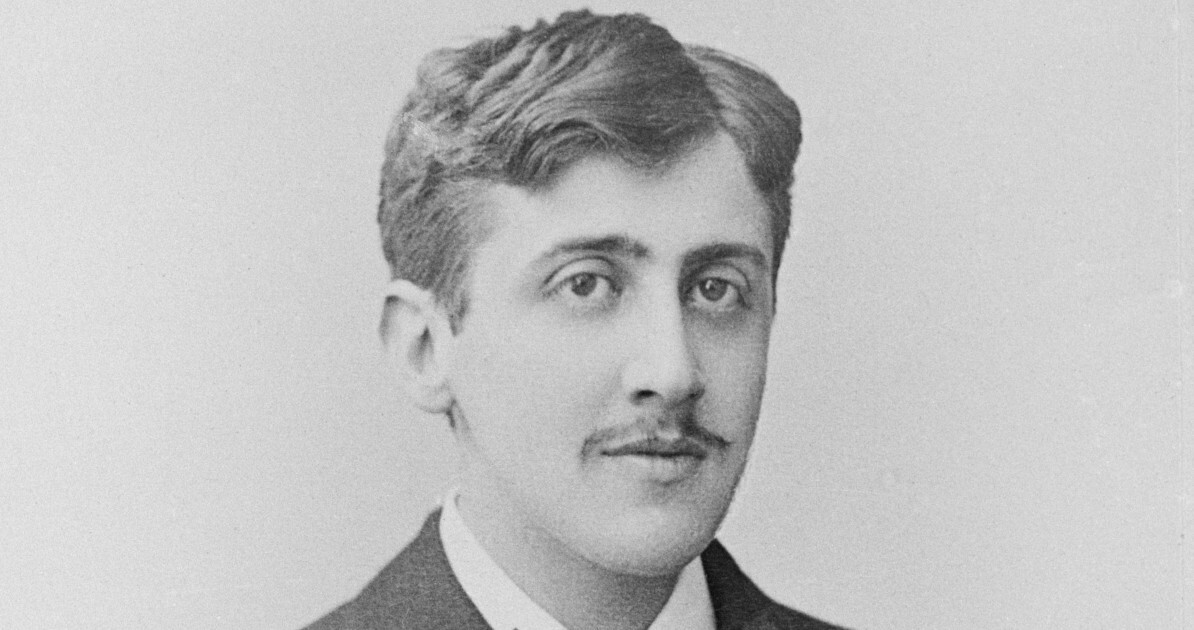
Next the olfactory bulb "works out" and identifies each molecule. It instantly sends a report to those structures in the brain that are responsible for registering sensory impressions and are linked to memory and emotion (the hippocampus and the amygdala). The hippocampus is a kind of library of memories that uses all our senses — we can reach into it and pull out past experiences or events. Thanks to this we easily recall, for example, the perfume a mother or grandmother used. But it can also work the other way — it is the smell that reminds us of something. Without our will, in an unconscious, unintentional, accidental way. As in the famous, often-quoted passage from Marcel Proust's novel In Search of Lost Time, the taste and smell of a cake dipped in hot tea caused the writer a strong emotion and recalled to him a completely forgotten scene from early childhood, when his aunt offered him the same kind of cake. Proust was then only 6 years old.
The hippocampus and the amygdala send the information further, where the scent is already "noted" as pleasant or not — here we touch on the mystery of why it has such a strong connection to emotions. The literarily described experience of Proust has been studied many times. It turned out that the amygdala "colors" our experiences with positive or negative emotion. Scent has an exceptionally strong effect on our feelings, which is why memories are more strongly encoded through it than through images. For our ancestors smell helped them survive — it was often the most important information determining survival, warning of poison or danger; it helped to remember various experiences. Smell simply has memory. And memories have a scent, but that's a topic for the next article…














































 Proceed to Checkout