Perfumes have been with us since antiquity. They accompany us during special occasions and everyday life. They add confidence, motivate action, clear the mind and simply provide a lot of pleasure. Perfumes must suit us. They are more than just an accessory – they are an expression of our style, mood and individuality. And the most popular compositions do not always fulfill that role.
Niche perfumes - what are they?
Niche perfumes are unique scent compositions created by independent, often small producers who place great emphasis on the quality of ingredients and the originality of their creations. These are fragrances that do not follow mainstream trends but rather explore new territories in the olfactory world.
Their creation is more like making a work of art than a cosmetic.
It's more than a scent - there is an idea and a journey behind them that led to their creation.
How do niche perfumes differ from mass-market ones?
What sets niche scents apart from mainstream products? It's like comparing a diamond to glass – both can shine, but one is far more unique and valuable.
The main differences are:
Exceptional ingredients. Creators of niche perfumes often use rare ingredients (primarily of natural origin, but not exclusively). In niche perfumes you'll find essences of plants such as oud, labdanum, amber or true damask rose essence. Sounds intriguing, doesn't it?
Mass-market perfumes often use synthetic substitutes that are cheaper and easier to obtain. While they can be of high quality, they lack the depth and authenticity that characterize natural ingredients.
Creativity on a completely different level. Creators of niche scents are artists who are not afraid to experiment. They create fragrances that can sometimes even be a challenge for the nose, but always offer something unique and unforgettable.
Mass producers of perfumes often follow trends and create scents that simply have a chance to attract as many customers as possible. This limits the creators' creativity and can lead to the emergence of similar-sounding fragrances.
Traditional production methods. The production of niche perfumes often takes place in small, family workshops where traditional, artisanal methods are preserved. Every stage, from distillation of essences to blending and bottling, is carefully controlled. This process can take many months, even years, to achieve perfection.
Mass-market perfumes are produced in large factories where processes are automated and optimized for efficiency and cost. Production is fast, allowing mass distribution, but often at the expense of quality and uniqueness.
Packaging also matters. Niche perfume bottles are often designed with as much attention to detail as the scents themselves. They are often minimalist, elegant bottles that are small works of art in their own right.
Although mass-market perfumes can have attractive packaging, they are often designed with production costs and the mass market in mind. Packaging aesthetics are important, but do not always go hand in hand with the highest quality materials and unique design.
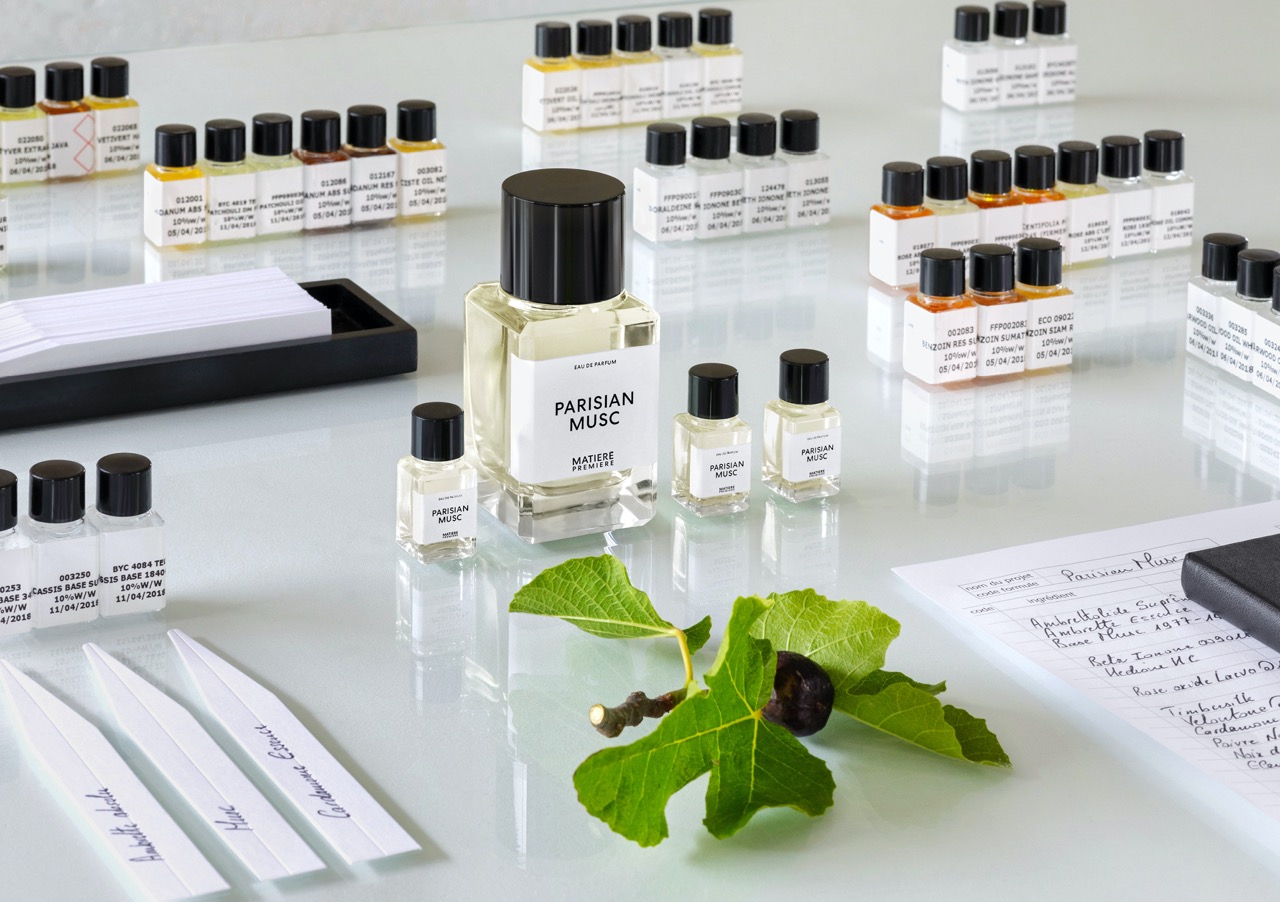
How are niche fragrances created?
Everything starts with inspiration
Creators of niche perfumes often draw inspiration from nature, history, art, or personal experiences. Every fragrance has its own unique story. It's like creating tales that unfold on your skin.
Selection of ingredients
Niche perfumes are exclusively high quality. Uncommon and often hard-to-obtain ingredients may come from various parts of the world. Rare essences from flowers, trees, spices or fruits are carefully selected to create exceptional compositions that form a harmonious whole.
Artisanal production methods
Niche perfumers often use traditional, artisanal production methods. It's like the work of a carpenter who handcrafts each piece of furniture, paying attention to the smallest detail. They often work in small workshops where every stage of production is controlled and carried out with extraordinary precision. As a result, every perfume bottle is unique, and the creation process resembles an old craft.
Composition
The process of combining ingredients is a true art. Perfumers create compositions that unfold on the skin, revealing successive layers of scent. The top notes (head) attract attention, the middle (heart) develop the depth of the fragrance, and the final notes (base) leave a lasting impression. Each note must be carefully chosen so that the whole is harmonious and coherent.
Testing
Before a fragrance hits the market, it is tested and modified. It is important that it is long-lasting and harmonious. Perfumers test compositions on different skin types, checking how the scent develops and how long it lasts. This way each bottle of perfume is perfected, ready to delight even the most demanding connoisseurs of the perfumery art.
Small perfumery houses
Many niche perfumes are created in small, family perfumery houses that continue long-standing traditions. Many operate on a small scale, which allows them to retain full control over the quality of their products. Each bottle is the result of many years of experience and traditions passed down from generation to generation.
Examples of niche perfumes
Here are some popular examples of niche fragrances:
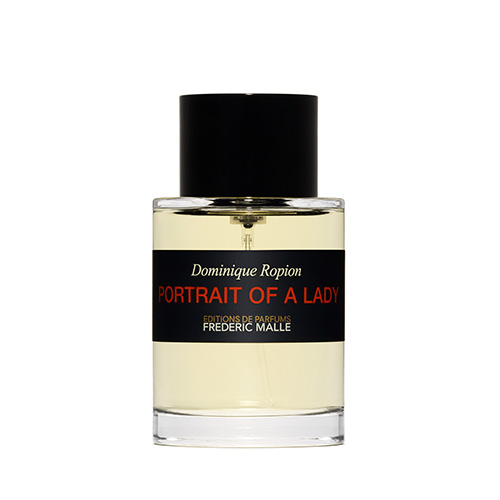
Frederic Malle - Portrait of a Lady
Imagine a walk through a mysterious garden at dusk. An intense and sensual scent that combines notes of rose, patchouli, incense and spices. It's an exceptional niche perfume, full of class and grace.
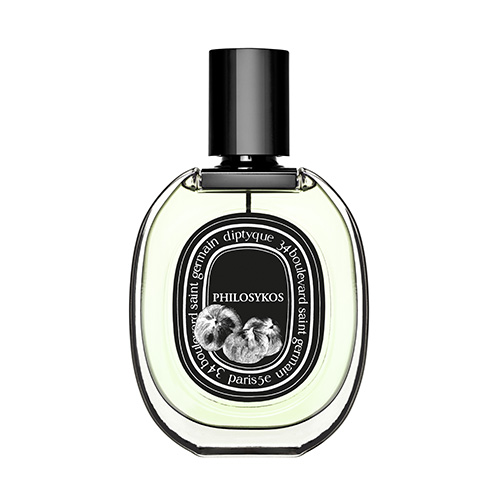
Diptyque - Philosykos
A scent inspired by memories of summer holidays on the Mediterranean. It's a fresh and green fragrance that combines notes of fig leaves, fig milk and fig tree wood. This composition is ideal for summer days, like a light, airy scarf – full of freshness and natural charm.
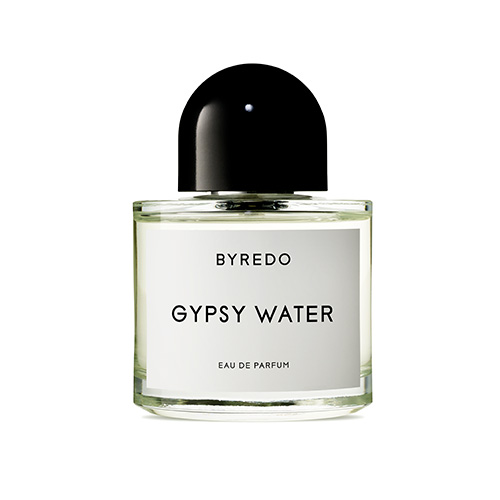
Byredo - Gypsy Water
A fragrance inspired by freedom and travel. Notes of bergamot, lemon, pepper, juniper, incense, amber and vanilla create a sensual and mysterious composition. These are perfumes that transport you to the world of nomads and endless roads. They are warm, mysterious and full of magic - like the flame of a campfire.
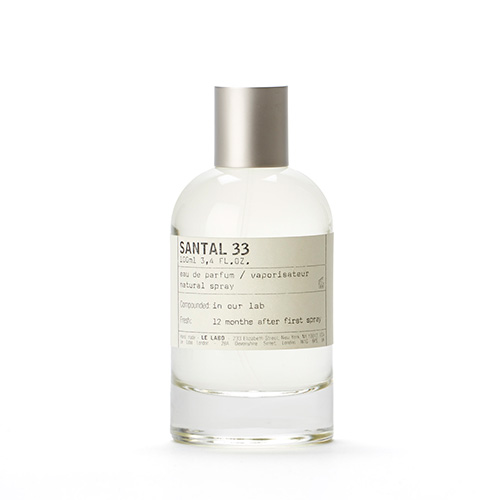
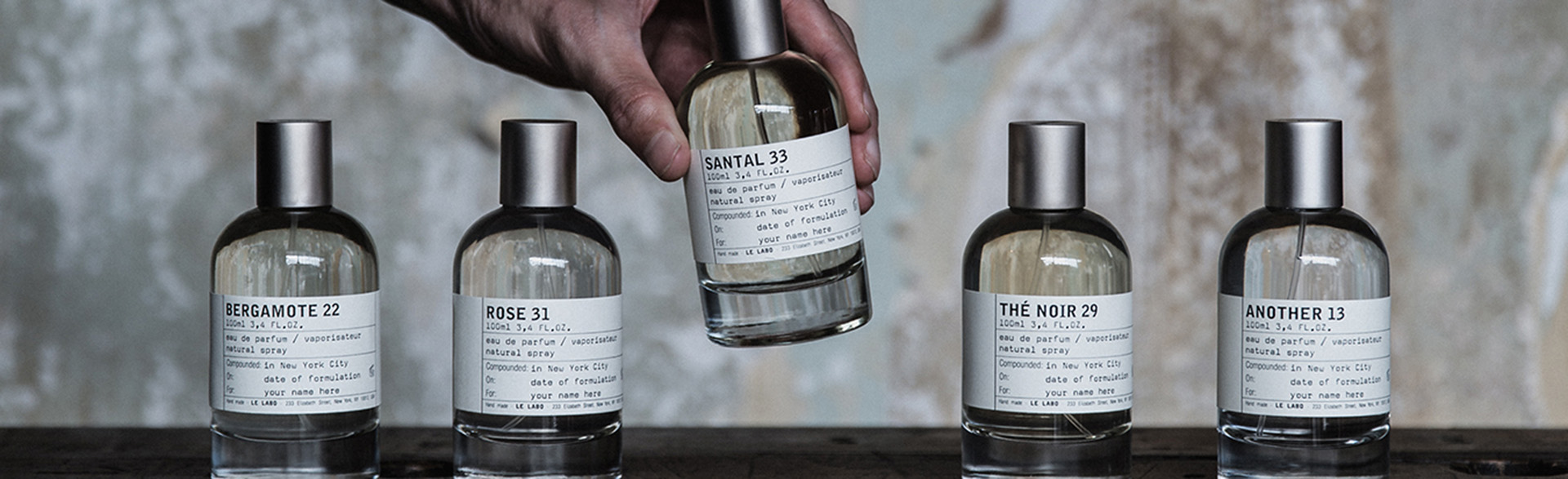
Le Labo - Santal 33
A cult classic scent that combines notes of sandalwood, cardamom, iris and violet. It's a unisex perfume that delights with its depth and longevity.
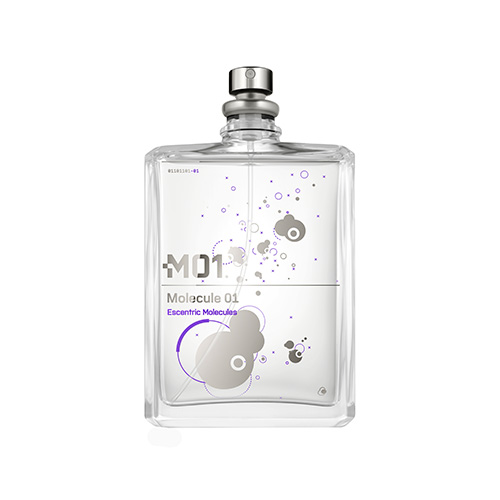
Escentric Molecules - Molecule 01
A minimalist and modern scent that focuses on a single molecule – Iso E Super. It develops on the skin in a unique way, creating a subtle, woody and velvety aroma. Some say it smells like the pheromones of the person wearing it.
Check out the offerings of our perfumery! Here you will find the most interesting niche brands and fragrances that will offer you artistic experiences and great pleasure.







































 Proceed to Checkout